Thomas H. Gosnell School of Life Sciences


Thomas H. Gosnell School of
Life Sciences
Overview
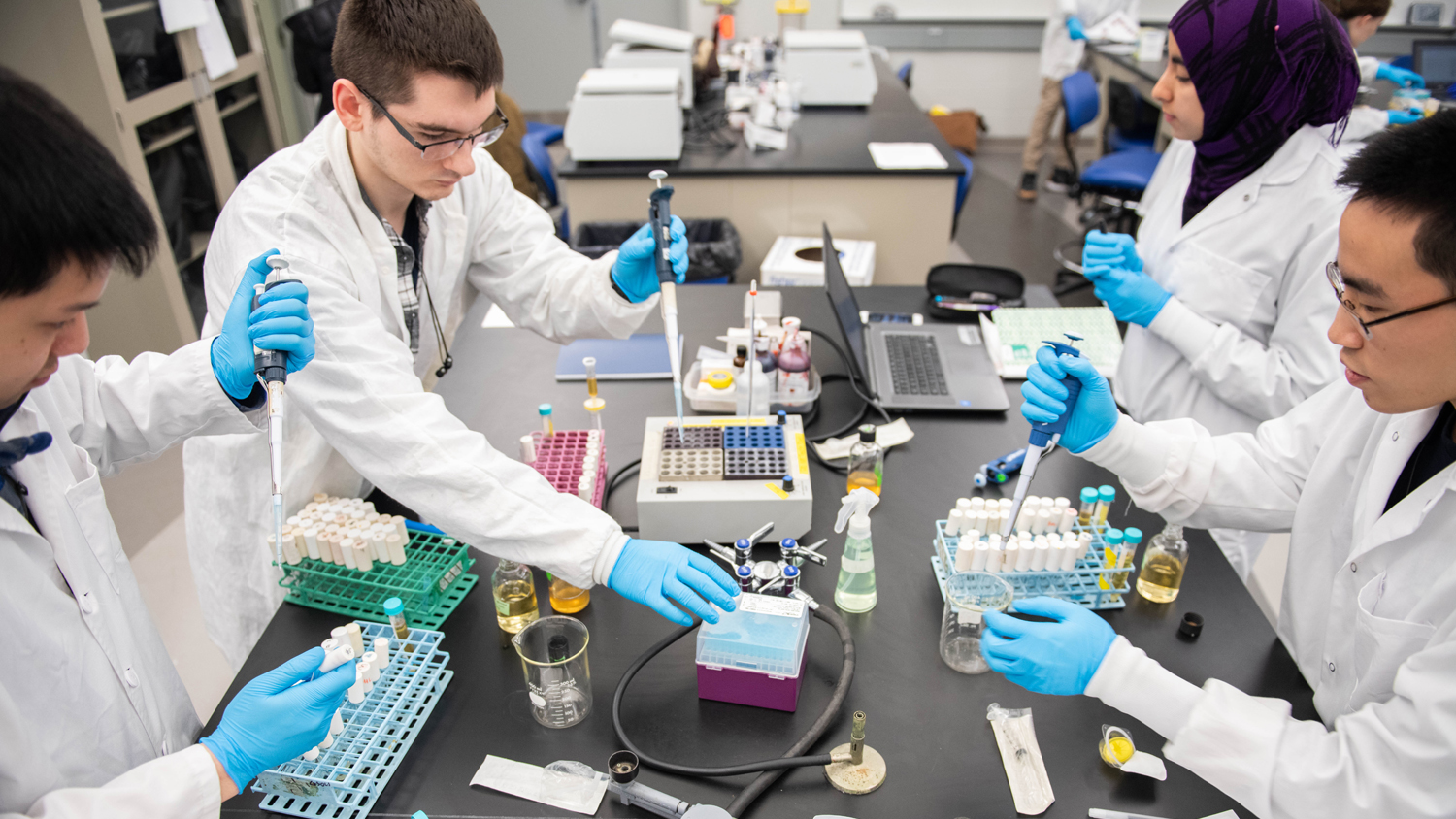
Explore the organic universe from DNA to global systems in a supportive academic environment at the Thomas H. Gosnell School of Life Sciences. From the beginning, our students immerse themselves in biology through innovative coursework, hands-on, in-depth laboratories, experiential learning opportunities, and undergraduate research projects designed for real-life challenges in the life sciences.
We prepare the next generation of researchers, environmental scientists, computational biologists, medical doctors, pharmacists, and genomic data analysts. Whether it’s a cancer researcher developing a new vaccine or a biologist protecting our clean water, our students confront the toughest life science issues facing the world today and find solutions to them.
70%
Of upper-level courses have a fully hands-on, in-depth laboratory component
92%
Of all courses are taught by full-time professors
1st
RIT was first in the nation to offer a Bachelor of Science in biotechnology
Latest News
-
April 22, 2024
![a closeup of microplastics on human fingers.]()
New research effort seeks to tell us how microplastics get into Lake Ontario and what they do to us
WXXI talks to Christy Tyler, professor in the Thomas H. Gosnell School of Life Sciences, and Matthew Hoffman, professor in the School of Mathematics and Statistics, about their research on microplastics.
-
April 22, 2024
![a closeup of microplastics on human fingers.]()
New research effort seeks to tell us how microplastics get into Lake Ontario and what they do to us
WXXI talks to Christy Tyler, professor in the Thomas H. Gosnell School of Life Sciences, and Matthew Hoffman, professor in the School of Mathematics and Statistics, about their research on microplastics.
-
April 22, 2024
![The SHED is shown in the background as students mill about the outside area and walk past it.]()
The SHED marks its Imagine RIT debut April 27
The SHED, touted as the new heartbeat of campus, makes its Imagine RIT debut this year. This multi-use facility embodies RIT's blend of technology, the arts, and design, offering a vibrant hub for creativity, interdisciplinary learning, and innovative performances year-round.


Research
Discipline-Based Education Research (DBER) is a scholarly field that combines disciplinary expertise in a STEM field (physics, chemistry, biology, etc.) with research methods from cognitive science, psychology and the learning sciences. Researchers in this field are interested in studying and transforming STEM Education through basic and applied research. Faculty in the Thomas H. Gosnell School of Life Sciences are exploring how students learn concepts in molecular biology and genetics and how students apply their knowledge to novel learning and assessment tasks. Gaining insight into students’ mental models of complex molecular processes allows the team to develop new assessments and activities to measure and improve student learning. Faculty are also investigating how newly developed 3-D models of biomolecules and molecular processes can help students learn concepts related to genetic information flow.
Research Active Faculty:


Current work in the Thomas H. Gosnell School of Life Sciences uses Next Generation Sequencing to elucidate genomic and proteomics aspects of phage, bacteria and plants as it relates to pathogenesis, resistance, metabolic engineering, etc.
Research Active Faculty:


Featured Work
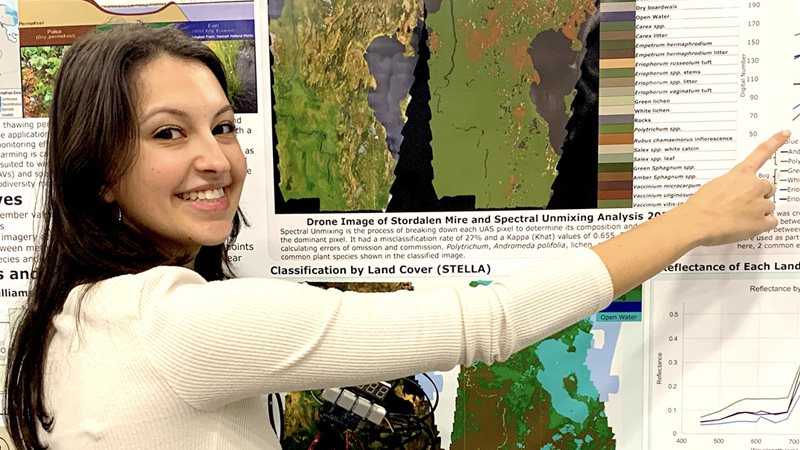
RIT Student Research Featured on the NASA Landsat Science Website
Bianca Cilento (environmental science)
Bianca Cilento, a student at RIT, caught the attention of a program developer which led to her research work being featured on the NASA Landsat Science website.
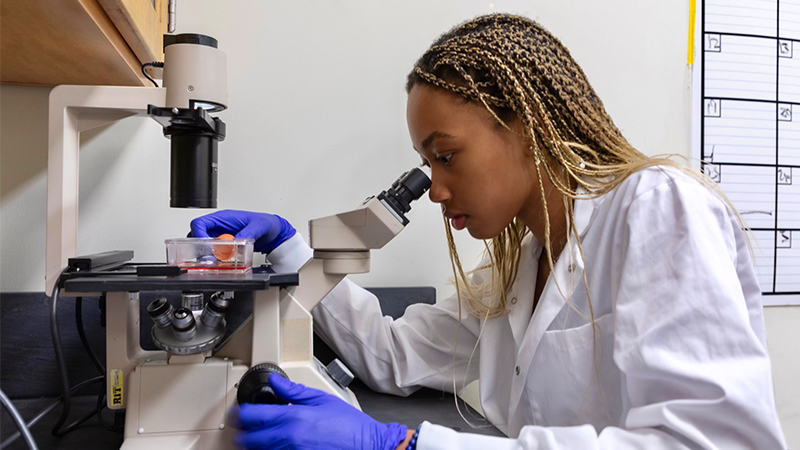
Tackling Real-World Issues with Biotechnology Research
Sydney Purcell (biotechnology)
Sydney Purcell is conducting real-world research in the Viral Genetics Lab at RIT alongside Dr. Maureen Ferran, whose work centers on using viral genetics to create cutting-edge cancer treatments.
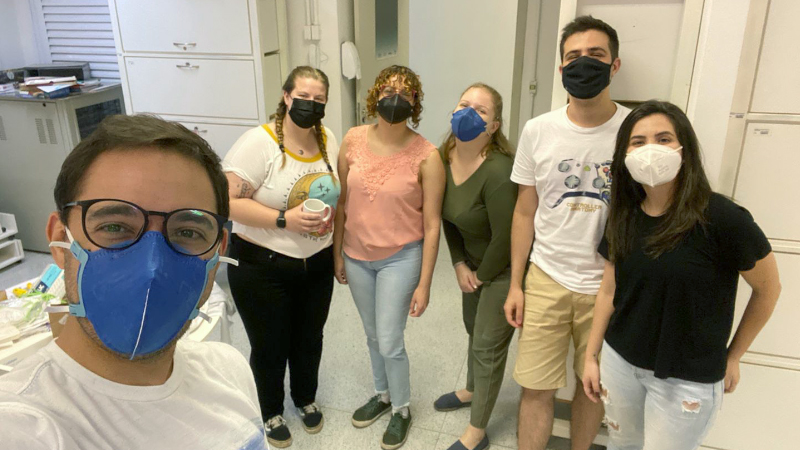
Internship in Brazil Builds Research Skills and Connections Abroad
Veronica Fell (biotechnology)
Veronica Fell, a third-year biotechnology student, knew she wanted real-world lab experience and to see the world. A research internship in Brazil allowed her to do that and much more.
Featured Profiles
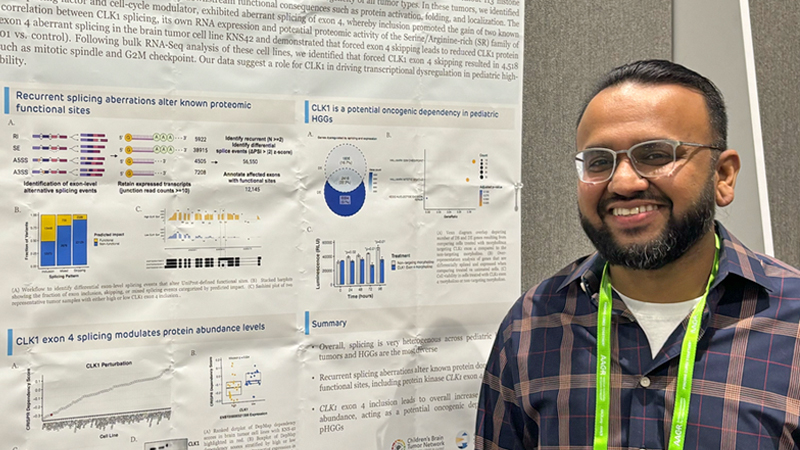
From Coding Co-op to Cancer Research: Bioinformatics Bridges the Gap
Ammar Naqvi ’06 (bioinformatics BS)
Ammar Naqvi ’06 majored in bioinformatics at RIT and leveraged his co-op to solidify an exciting career path in bioinformatics.
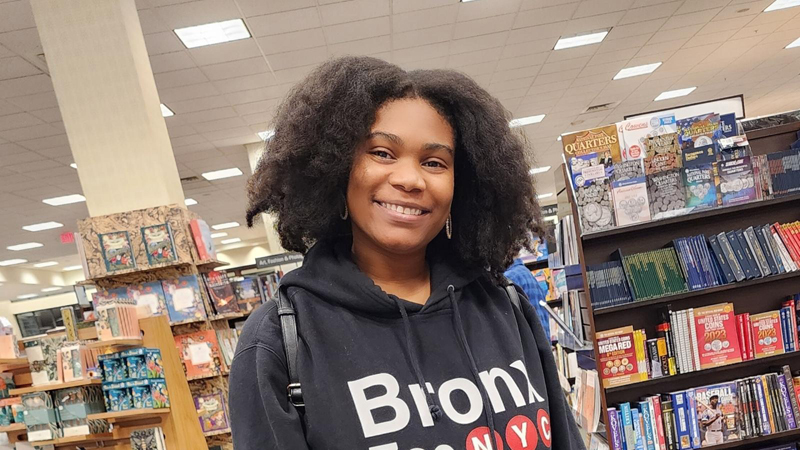
Biotechnology, Diversity, and Inspiration to Pursue a Lifelong Dream
Tandy Arenas-Bertol '14 (biotechnology)
As she pursued her lifelong dream of working in the field of science, Tandy Arenas-Bertol ’14 found herself immersed in diversity and inspiration at RIT while pursuing her biotechnology degree.
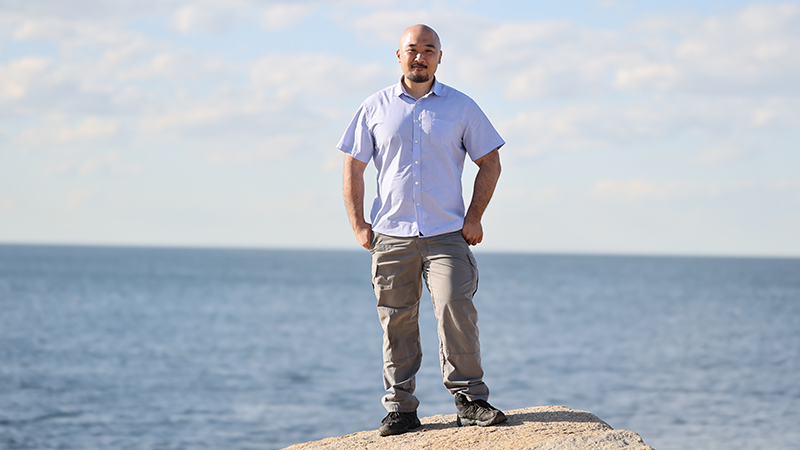
RIT Academic Journey Paved the Way to Monitoring Drug Safety
Kevin King '08 (biology)
After earning a BS in biology and MS in clinical chemistry, Kevin King ’10 has established himself as a proficient Pharmacovigilance professional, responsible for overseeing the safety of...


Undergraduate Programs
At the Thomas H. Gosnell School of Life Sciences we offer four exciting undergraduate programs. Whether it’s biology, biotechnology, bioinformatics, or environmental science, you become part of an active community of students, staff, and faculty working together to explore and solve complex biological problems in state-of-the-art teaching and research facilities.
Graduate Programs
The graduate students in the Thomas H. Gosnell School of Life Sciences apply their advanced training in environmental science and computational biology to take a deep dive into the complexities and nuances of biological issues facing the world today. Each student works with a chosen faculty advisor to help them approach their project from a novel perspective, which prepares them to succeed in any path they choose after graduation.
Minors and Immersions
Current students are encouraged to visit the Student Information System (SIS) to confirm any pre-requisite or co-requisite courses.
Would you like to donate to our school?
Your gift helps the university support students, attract great faculty members, and maintain leading-edge academic programs.